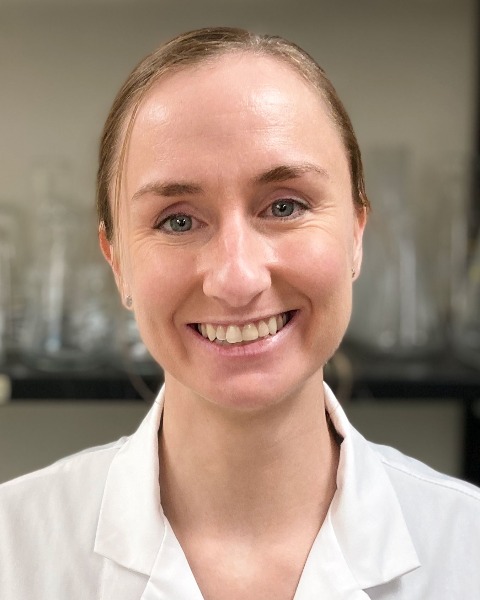
Postdoctoral Fellow University of Calgary Calgary, Alberta, Canada
Disclosure(s):
Marie Siwicki, PhD: No financial relationships to disclose
Introduction/Rationale: Neutrophils are powerful antimicrobial innate immune cells, without which a host is highly susceptible to morbidity and death caused by infections. However, in recent years, their role in noninfectious contexts has been highlighted, including in cardiac stress, autoimmunity, and cancer. Across settings, the concept of neutrophil heterogeneity has emerged, yet the basis and functional implications of this diversity remain largely unknown. Many devoted studies have examined contexts of cancer or other lifestyle diseases—arenas largely departed from the selective pressures that shaped neutrophil biology. Therefore, we sought to study neutrophil diversity in an evolutionarily powerful setting: infection and acute injury to the skin.
Methods: Using spectral flow cytometry, along with intravital microscopy and transgenic mice that enable tracking neutrophils over time, we assessed neutrophil dynamics and plasticity, as well as relationships between environment, phenotype, function, and behavior in vivo.
Results: We found that neutrophils rapidly specify their phenotype upon extravasating to a site of challenge. During response to a biofilm infection, neutrophil phenotypes shifted over time, reflecting both plasticity and turnover. Several phenotypic changes seen during the infection response were absent in a noninfectious wound, highlighting the challenge-specific nature of neutrophil phenotypic adaptation. Notably, we identified an unexpected population of CD101-low mature neutrophils, expressing elevated levels of PD-L1 and ICAM-1, associated with the infection response. This population was characteristic of a highly structured neutrophil swarm.
Conclusion: This work provides fundamental insights into the evolved capacity of neutrophils to diversify in vivo, revealing that neutrophil phenotypes are dynamic even in acute settings of inflammation, and tightly linked to a cell’s environment. It further aligns observations of phenotypic adaptation with specific host defensive behaviors.