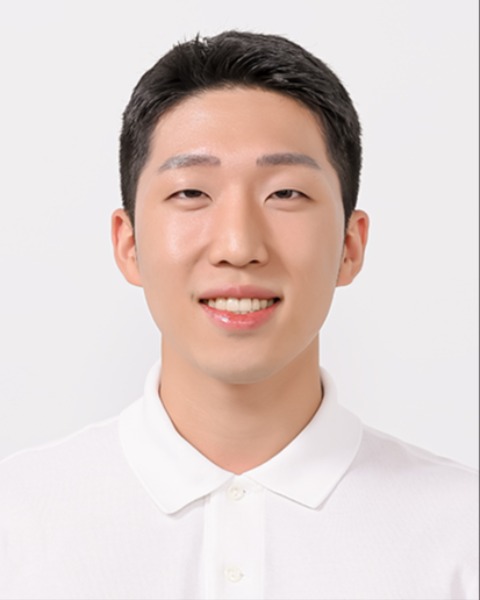
HFSP Postdoctoral Fellow Harvard Medical School BOSTON, Massachusetts, United States
Disclosure(s):
Joon-Hyuk Lee, PhD: No financial relationships to disclose
Introduction/Rationale: Astrocyte subsets contribute to the pathology of multiple neurologic disorders, including the T cell driven autoimmune disease of the central nervous system (CNS) multiple sclerosis (MS) and its mouse model, experimental autoimmune encephalomyelitis (EAE). However, little is known about the functional interactions of astrocytes with CD4+ T cells.
Methods: We used rabies barcode interaction detection followed by sequencing (RABID-seq), in combination with single-cell RNA sequencing, in vitro co-culture systems, and cell-specific in vivo CRISPR–Cas9-based genetic perturbation studies to identify and define a subset of astrocytes that interact with T cells during EAE. Furthermore, We harnessed universal Labeling Immune Partnerships by SorTagging Intercellular Contacts (uLIPSTIC) to analyze astrocyte-interacting CD4+ T cells.
Results: We identified a subset of astrocytes that expresses CD40 and MHC-II, which promotes CNS-targeting T cell autoimmunity. By harnessing uLIPSTIC to analyze astrocyte-interacting CD4+ T cells, we found that direct astrocyte-CD4+ T cell interactions promote Th17 responses in EAE. Moreover, the genetic inactivation of CD40+ MHC-II+ antigen presenting astrocytes ameliorates EAE. In addition, by applying in vivo subproteomic approaches and AlphaFold-Multimer predictions, we established that CD40 activation in astrocytes by CD40L expressed by T cells induces the accumulation of PLIN4-positive lipid droplets (LDs), which provide acetyl-CoA to boost acetylation-driven NF-kB activation and antigen presentation. Finally, we detected CD40+ MHC-II+ LD+ astrocytes in CNS with MS by snRNA-seq and immunohistochemistry.
Conclusion: In summary, these studies define an astrocyte subset that promotes Th17-driven CNS autoimmunity. These findings may guide novel therapeutic approaches for MS and other neurologic diseases.