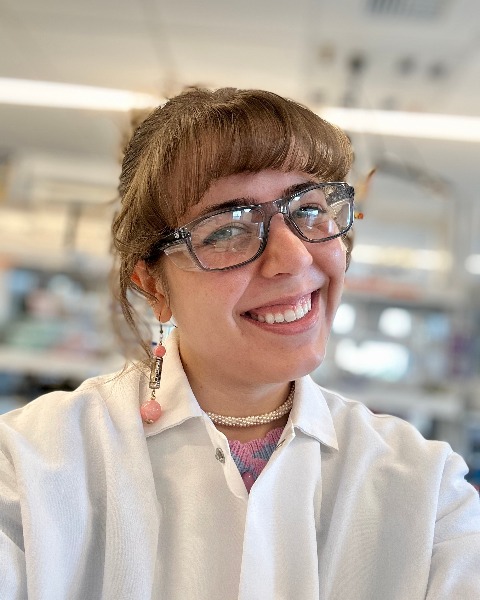
Associate Scientist Parse Biosciences Seattle, Washington, United States
Disclosure(s):
Sarah Schroeder: No financial relationships to disclose
Introduction/Rationale: Understanding immune cell variability including rare populations is essential for dissecting inflammatory mechanisms and therapeutic response. However, functional screening of immunomodulators is often limited by precious sample availability and cell loss during processing.
Methods: We present a fixation-compatible combinatorial barcoding workflow optimized for low-input immune samples ( < 20,000 PBMCs), enabling high-resolution profiling of rare subsets such as classical monocytes, regulatory T cells, and B-cell subtypes. This approach supports 96-condition parallel perturbation while preserving transcriptomic integrity and subtype recovery (>65% retention), even in fragile or low-abundance populations.
Results: In a screen of 88 immunomodulatory compounds in cultured PBMCs, including PDE4 inhibitors and glucocorticoids, we identified both drastic and subtle shifts in gene expression within classical monocytes, alongside pathway-specific perturbations in B and T cell compartments. Notably, compounds targeting the same pathway elicited concordant transcriptional programs, enabling comparative pharmacodynamic insights at single cell resolution.
Conclusion: This scalable low-input single-cell approach enables detailed investigation of immune cell behavior under perturbation, capturing both robust and subtle transcriptional responses across rare and abundant PBMC subsets. By accommodating limited sample availability, it supports exploration of how immunomodulators influence cell states, lineage stability, and inflammatory programs at high resolution. Such screens enable efficient discoveries of drug efficacy and detection of secondary effects, offering a powerful experimental framework for uncovering immune mechanisms, comparative pathway responses, and context-dependent variability within complex immune systems.