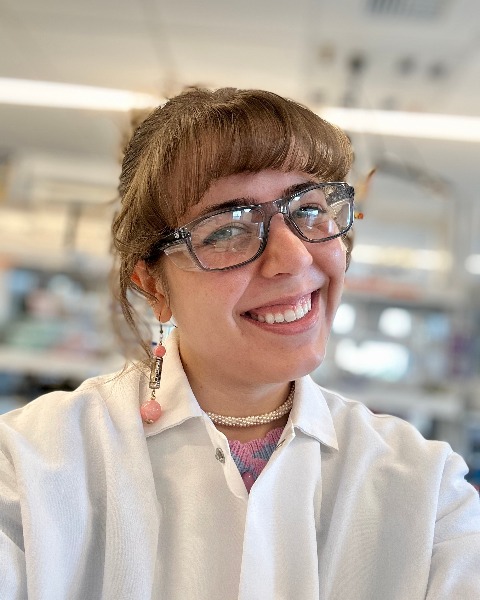
Associate Scientist Parse Biosciences Seattle, Washington, United States
Disclosure(s):
Sarah Schroeder: No financial relationships to disclose
Introduction/Rationale: Single cell RNA sequencing (scRNA-seq) is a foundational technology in immunology, enabling high-resolution analysis of immune cell states, activation programs, and clonal diversity that cannot be resolved by bulk methods. However, broad translational adoption is limited by reliance on fresh peripheral blood mononuclear cell (PBMC) isolation shortly after collection. This process requires specialized equipment, trained personnel, and rapid processing, which are often infeasible in decentralized or multi-site settings, limiting scalability and access to single cell technologies.
Methods: We developed a whole blood fixation and stabilization method optimized for combinatorial barcoding-based scRNA-seq, enabling paired whole transcriptome and T cell receptor (TCR) analysis. The workflow preserves cellular integrity and RNA quality and uses dual-primed reverse transcription with poly(dT) and random hexamer primers for unbiased RNA capture. Fixed whole blood samples from individuals with systemic lupus erythematosus, rheumatoid arthritis, type 2 diabetes, and healthy donors were analyzed. Fixed whole blood data from healthy donors were compared to freshly isolated PBMCs from matched donors.
Results: Fixed whole blood profiling robustly recovered major immune cell populations and preserved relative cell type proportions. Disease samples recapitulated known immune activation and inflammatory transcriptional programs across immune subsets. Paired TCR profiling revealed shifts in TCR clonotypes and gene expression. Samples processed via whole blood fixation showed strong concordance in gene expression profiles relative to donor-matched freshly isolated PBMCs.
Conclusion: This platform enables scalable, unbiased paired single-cell transcriptome and immune receptor profiling directly from fixed whole blood. By simplifying collection while preserving immune cell composition, activation states, and clonal features, this approach expands access to single-cell technologies for large-scale immunology studies.