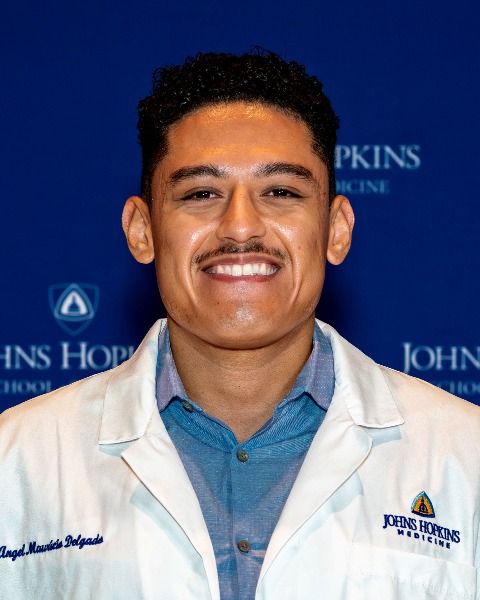
PhD Candidate/Pre-Doctoral IRTA National Institute on Aging, National Institutes of Health Baltimore, Maryland, United States
Disclosure(s):
Angel M. Delgado, BS: No financial relationships to disclose
Introduction/Rationale: Alzheimer’s Disease (AD) is a fatal, incurable neurodegenerative disease defined by amyloid-beta plaques, tau neurofibrillary tangles, chronic neuroinflammation, and elevated cognitive deficiency. Dysregulation of the Neuro-Immune axis, an immune cell network tasked with protecting the central nervous system (CNS), has been correlated to blood-brain-barrier dysfunction in early AD. This results in harmful inflammatory responses such as lymphocyte activation and autoantibody production; however, these CNS antibody-secreting cells are not properly defined. Genetic deletion of whole lymphocytes in AD murine models showed increased amyloid pathology and neuroinflammation, yet targeted B cell depletion resulted in less plaque burden and halting of memory defects. In addition, there is evidence of immunoglobulin deposition in the AD mice parenchyma. Thus, it is unclear if these lymphocytes are pathogenic or protective in AD, and what binding targets are driving antibody localization to the brain.
Methods: Using cerebrospinal fluid (CSF) samples from a clinical cohort of AD patients, we will characterize the CNS B lymphocyte and immunoglobulin compartment through three aims: (1) quantification of antibody titres and neuroinflammatory biomarkers (ELISA), (2) investigation of single-cell transcriptional differences and clonality (scRNAseq), and (3) identification of self-antigen targets via human proteomic assays (Microarray, PhIPseq).
Results: We predict AD CSF will have elevated levels of class-switched antibodies, inflammatory cytokines, and neuronal damage biomarkers. Single-cell sequencing will show that AD-derived B cells experience transcriptional reprogramming associated with increased activation, antibody production, and clonal expansion. Lastly, the proteomic assays will yield several antibody hits of targeted antigens consisting of human proteins present in the CNS niche.
Conclusion: Completing these specific aims will allow for a clearer understanding of the B cell and antibody response in AD.