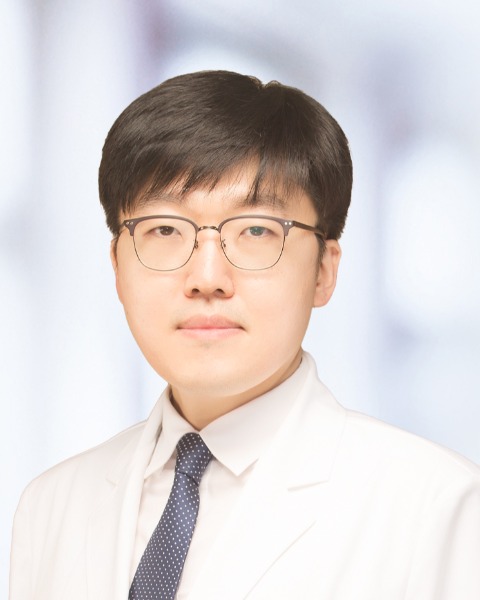
Assistant Professor Seoul National University Hospital, United States
Disclosure(s):
Yoo Hyung Kim, MD PhD: No financial relationships to disclose
Introduction/Rationale: Endocrine glands rely on specialized vasculature to orchestrate hormone trafficking and tissue homeostasis. However, the transcriptomic landscape of endothelial cells (ECs) as gatekeepers of the immune microenvironment remains poorly defined. We aimed to map the molecular programs governing endocrine EC specialization and their role in regulating organ-specific immune communication.
Methods: We constructed a single-cell transcriptomic atlas of ECs from four endocrine organs (adrenal gland, pituitary, thyroid, kidney), using liver and brain as structural and immunological references. We categorized ECs by architectural features and quantified endothelial-immune crosstalk via ligand-receptor interaction analysis across these distinct vascular beds.
Results: Our analysis revealed distinct organotypic programs: while adrenal and kidney ECs showed vascular remodeling signatures, pituitary and thyroid ECs exhibited high stress-responsiveness. Crucially, we identified a stark divergence in immunological signatures. While the adrenal, pituitary, kidney, and liver were enriched in pro-inflammatory gene sets, the thyroid and brain were uniquely prominent in anti-inflammatory programs. This reflects a specialized "immune-shielding" interface in the thyroid, characterized by significant downregulation of leukocyte adhesion molecules and pro-inflammatory signaling, mirroring the immune-privileged phenotype of the blood-brain barrier. Strikingly, this protective endothelial interface is significantly compromised during aging and tumorigenesis, leading to a breakdown of the immune-restricted vascular state.
Conclusion: These findings define the molecular basis of endocrine vascular specialization and identify a unique endothelial-immune communication restriction in the thyroid. The loss of this immune-privileged phenotype is a hallmark of thyroid aging and cancer, suggesting that restoring the endothelial "immune-shielding" capacity could be a novel therapeutic strategy for endocrine pathologies.